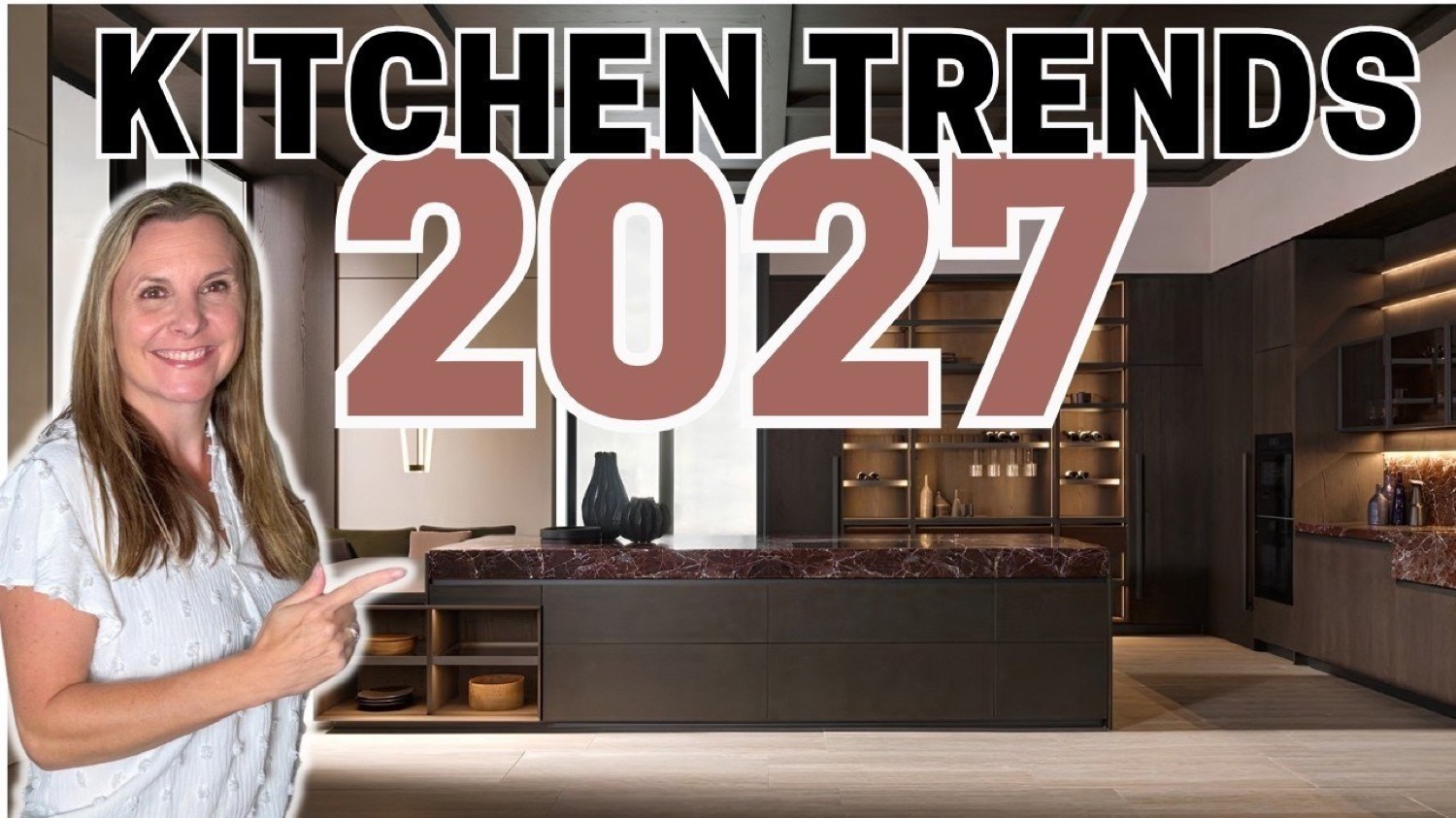
Kitchen renovations are a major investment, and choosing finishes that quickly look dated can feel like throwing money in the trash.
Carrie of Penny Modern shares nine kitchen trends she expects to see in 2027 that can be incorporated into a timeless kitchen design.
Her predictions point toward kitchens with more warmth, texture, personality, and comfortable places to gather.
1. Invisible Kitchens
The “invisible kitchen” trend makes the room look less like a kitchen when it’s not in use. At the elaborate end, entire kitchens disappear behind tall doors.
More accessible versions start with panel-ready refrigerators and dishwashers that blend into the cabinetry.
Appliance garages conceal coffee makers, toasters, and blenders, while coffee bars with pocket doors hide countertop clutter.
A scullery, or secondary “dirty kitchen,” takes the idea further by moving preparation and mess behind the main kitchen.
Tip
These hidden kitchen elements are especially beneficial in open-concept homes.
2. Two-Level Islands
Carrie predicts the return of split-level islands, but with a change from the raised breakfast bars popular in the 1990s and early 2000s.
The newer version pairs a counter-height preparation surface with a lower, table-height dining area.
Regular dining chairs replace bar stools, creating a more comfortable place to eat.
The two sections may also use different materials, such as stone or quartz for food preparation and wood for dining.
Built-in seating and benches are part of this broader interest in eat-in kitchens.
3. Living Finishes
Living finishes change over time, making their developing patina part of the design.
Unlacquered brass darkens while frequently touched areas become brighter.
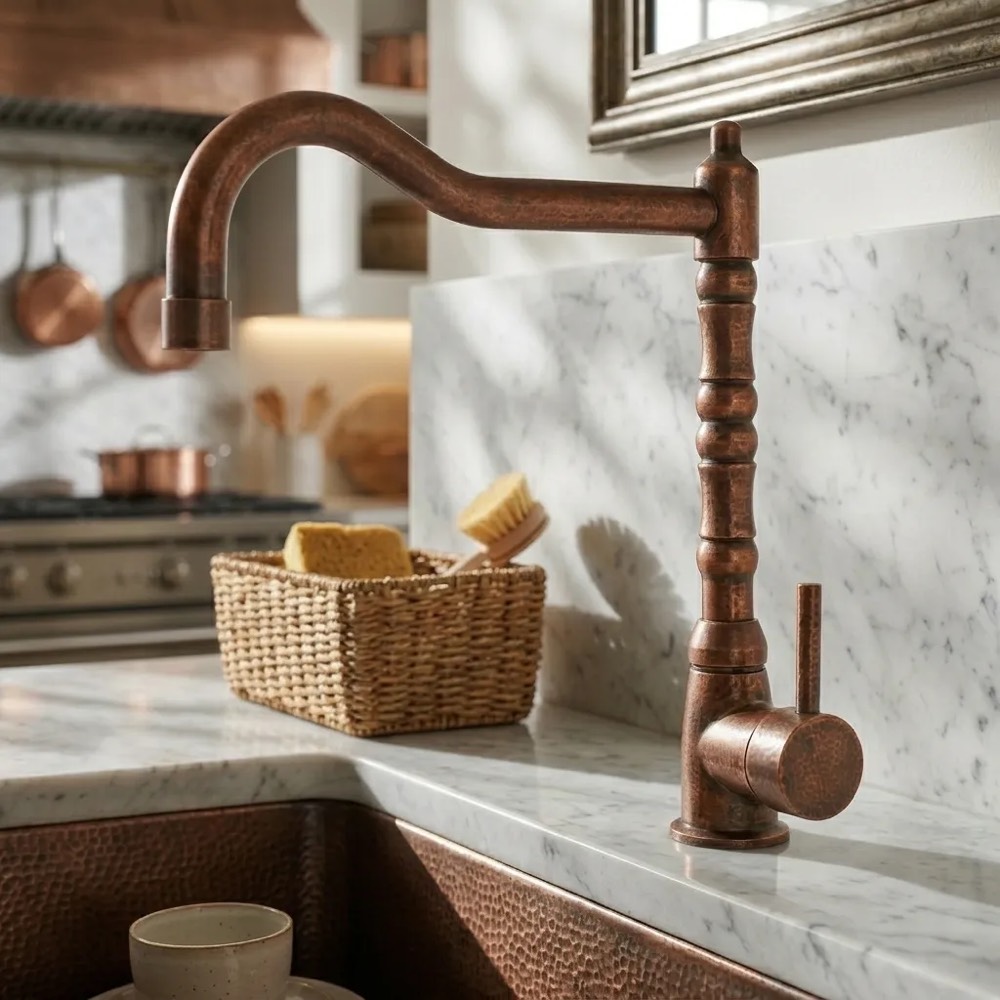
Copper shifts from orange toward deep brown, and aged bronze darkens in areas that receive less contact.
Soapstone can deepen in color with mineral oil, while Carrie describes marble as beautiful but less forgiving.
She recommends choosing one or two living finishes, perhaps starting with cabinet handles, and specifying unlacquered brass when ordering.
If you're bothered by water rings or signs of wear, you may be happier choosing quartz and finished hardware than materials that visibly age.
4. Curves Over Sharp Corners
Soft geometry is another trend Carrie expects to grow.
Curved islands, rounded countertop corners, and arched pantry doorways introduce softer shapes after years of square edges and flat surfaces.
Countertop profiles offer another way to bring in this detail. Carrie highlights ogee, fluted, and bullnose edges as alternatives to the familiar square edge.
You don't have to change your counter material to get a custom detail. Discuss a different edge profile with your fabricator to give the countertop a more custom appearance.
5. Statement Stone
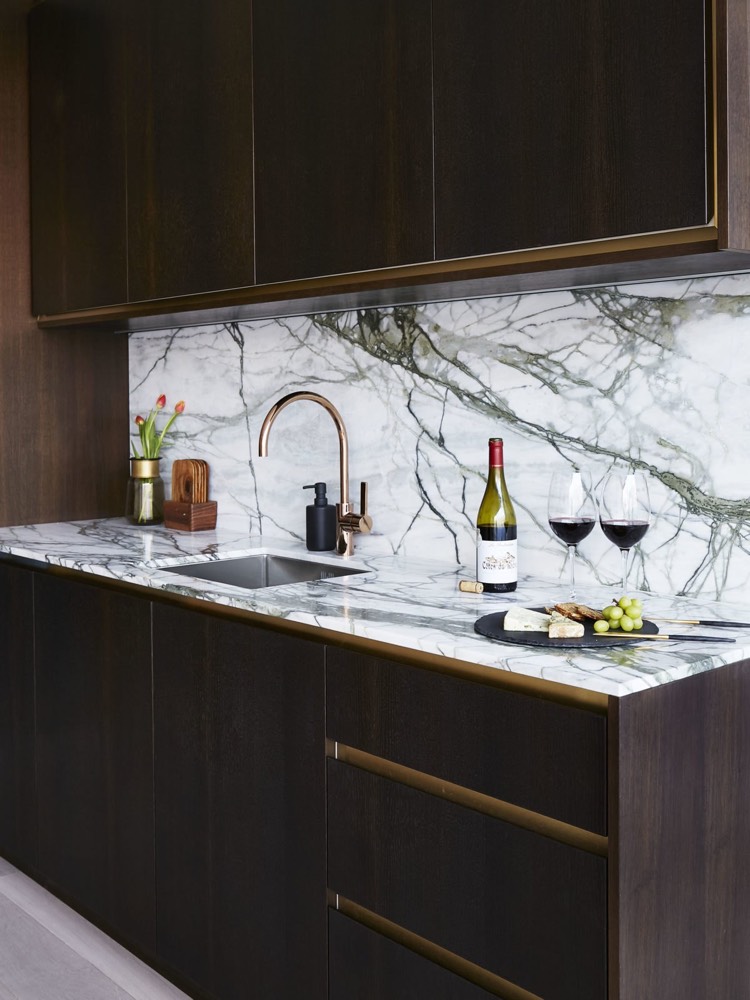
Carrie predicts that countertops will increasingly serve as the kitchen’s visual centerpiece.
She highlights quartzite for its natural variation, with no two slabs looking exactly alike.
Full-height slab backsplashes extend the stone from the countertop toward the ceiling, creating a continuous surface without grout lines.
She also expects more honed, leathered, and matte finishes instead of polished surfaces.
Keep in Mind
Regarding countertops, texture isn't a detail you can add later on. Specify the finish you want when ordering. The default is likely polished.
6. Richer Wood Cabinetry
According to Carrie, pale, smooth white oak is giving way to richer wood tones and more noticeable grain.
Walnut, smoked oak, ash, and deeper stained oak are among the options she highlights.
The emphasis is on wood with visible character rather than a consistently flat, uniform appearance.
If you're drawn to this look, Carrie recommends asking the cabinetmaker about "character-grade wood", which includes variations in grain, knots, and color.
7. Furniture-Like Kitchens
Furniture-style kitchens move away from uninterrupted walls of identical cabinets.
Carrie expects to see cabinetry on legs, sideboard-style pieces, reeded-glass doors, and shelves displaying art.
Wall lights can also contribute to a room that feels more personal and lived in.
Get the Look
Achieving this character doesn’t require replacing cabinets. An old hutch or a butcher’s table used as an island can introduce age and individuality through a single piece.
8. Tonal Palettes
The tonal kitchen brings materials into the same color family instead of sharply contrasting white upper cabinets with dark lower cabinets.
Carrie suggests choosing the wood first, followed by a paint color with similar warmth and a stone that works with both.
Interest comes from wood grain, stone movement, texture, and cabinet shapes.
Why it Works
With less contrast between colors, those material details become more noticeable.
9. Warm Colors
Carrie sees warmth, rather than one particular color, shaping kitchen palettes.
Her predictions include soft taupes and earthy browns, muted pastels, and deeper shades such as rich purples and very dark greens.
Greens ranging from sage to forest also feature in her forecast.
If you're hesitant about bold cabinetry, Carrie suggests using color in smaller areas like a pantry door or bar area. These contained spaces offer a way to experiment without committing the entire kitchen.
Final Thoughts
Carrie’s predictions reflect a growing desire for kitchens that feel personal and comfortable. Consider how each choice will feel in everyday use.
Design ideas like concealed clutter, comfortable seating, or materials with character may have lasting appeal when they suit the people living there.