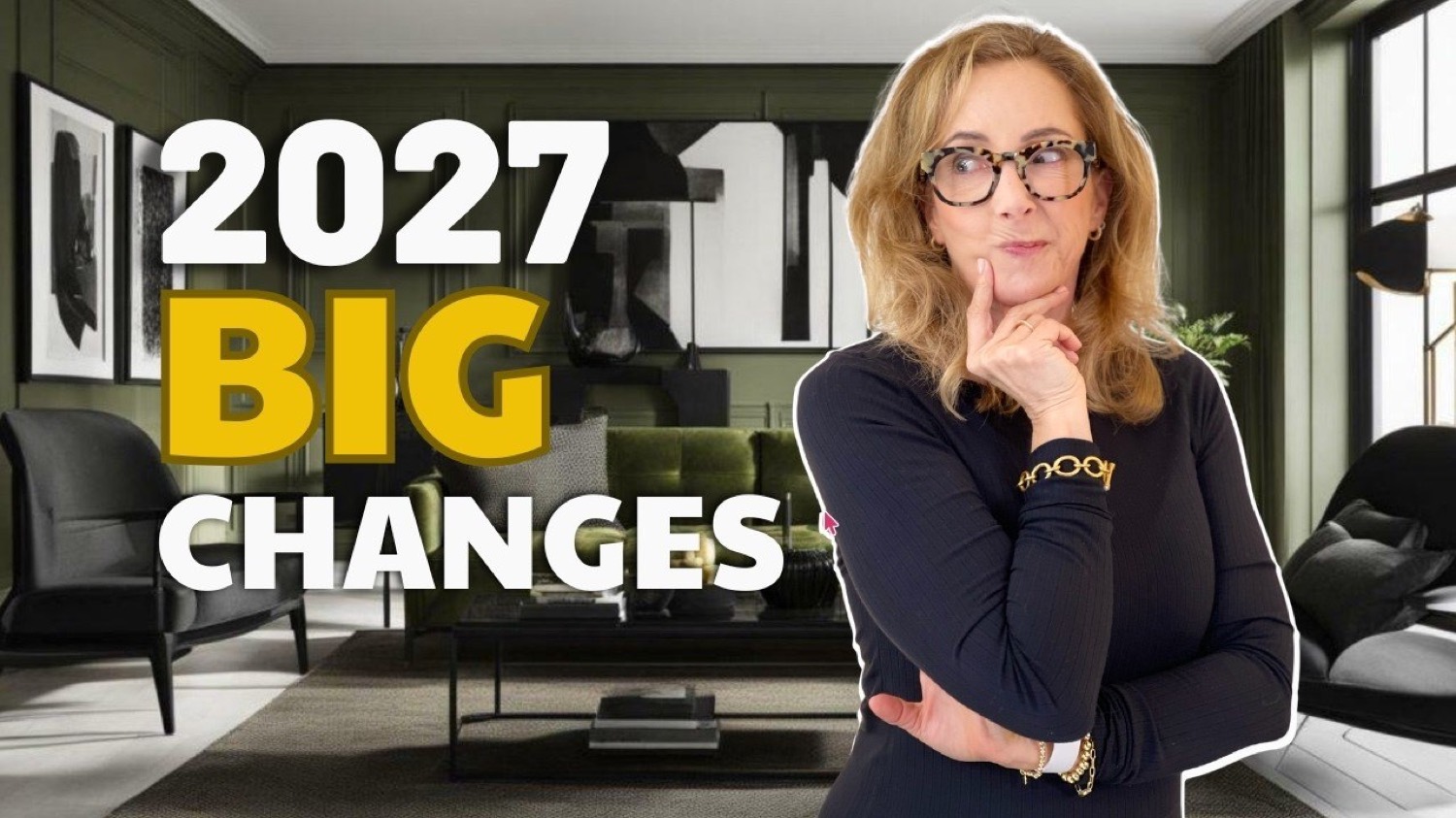
Interior design trends for 2027 go beyond individual paint colors, furniture styles, and finishes.
According to interior designer Lisa Holt of Lisa Holt Design, two larger shifts are taking shape.
For Holt, understanding these changes means looking at how the elements work together and how they can help a home reflect the person who lives there.
- 3. Use Repetition Without Duplicating
1. Color Is Becoming the New Neutral
Holt sees color as the biggest shift ahead, particularly in how it is applied.
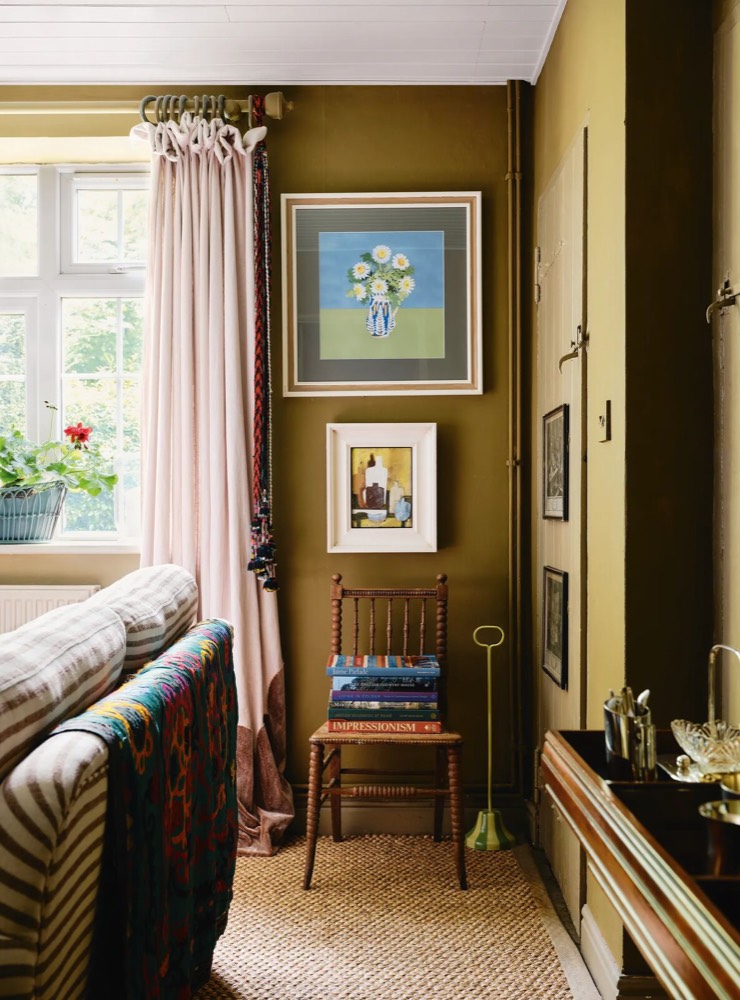
Greens, browns, softer blues, clay shades, and plum tones are part of the conversation, but the important change is their role within a space.
Instead of serving primarily as accents, these colors are beginning to take on the jobs traditionally handled by beige, gray, and white.
They are becoming the main wall colors and the foundation of whole-home palettes.
Holt highlights Celery by Sherwin-Williams as an interesting interpretation of green and describes Marl by Little Greene as a soft milk-chocolate shade.
However, her point extends beyond which particular colors will be popular.
The right olive can function much like beige. A soft brown can ground a room, while a pale green can offer the lightness of a soft white with additional richness and depth.
These shades don't necessarily make a room feel overtly colorful; instead, they become part of its architecture.
The Shift
The definition of a neutral is expanding, allowing more flexible palettes and richer undertones that bring depth and layering to a space.
2. Rooms Are Becoming More Curated and Personal
The second shift is what Holt calls finding a person’s “you style.”
As color becomes more sophisticated, room compositions are becoming less matched and more carefully curated.
The Distinction
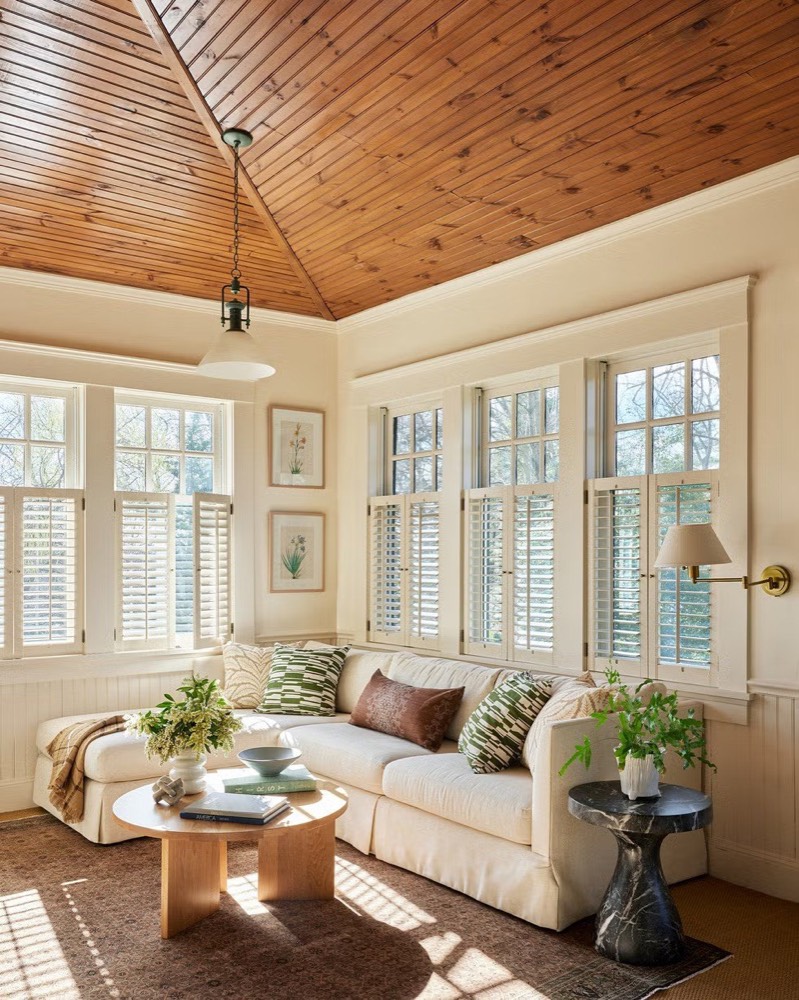
This doesn't mean the elements should stop coordinating. Holt distinguishes between pieces that relate to one another and pieces that match exactly.
When furniture doesn't have to come from the same collection, period, finish, or design style, there is more opportunity to choose items that reflect someone’s life.
A room can move beyond a recognizable label, such as farmhouse or maximalism, and feel more individual.
Holt expects a move away from the assumption that a sofa and its accompanying chairs should share the same upholstery, or that coffee tables, end tables, and metals should all match.
Instead, rooms can bring together different materials, shapes, periods, and visual weights while maintaining relationships between them.
A simple contemporary coffee table can work beside a piece with age, a different material, or another silhouette. Color can provide the connecting thread.
Holt describes a room with sofas in different fabrics, contrasting tables, and chairs in another fabric, all linked through recurring color notes.
Those connections help the room feel intentional and interesting.
3. Use Repetition Without Duplicating Everything
Holt cautions that moving away from matching should not become an excuse for unrelated choices. Rooms still need repetition to create cohesion and rhythm.
A color should appear again. A finish should be referenced elsewhere. Shapes, scales, and materials should have relationships with other elements in the room.
However, repetition doesn't require duplication. A wood undertone might reappear in a chair, or the curve of a chair might echo a light fixture.
An older piece and a contemporary one might share similar proportions or visual weight.
The Takeaway
A curated room also doesn't require expensive furnishings or an extraordinary story behind every object. What matters is that the choices have a reason for being there.
Final Thoughts
For 2027, Holt see a shift in interiors moving away from formulas toward more layered, nuanced, personal spaces.
Understanding why trends are changing can help you create a home that reflects who you are.
Using color as a foundation and choosing pieces with thoughtful connections can help a home become a fuller reflection of its residents and how they actually live.